
Let’s talk about poop – because whether we like it or not, what your poop says about your health can’t be ignored. As a medical doctor, I’ve always wanted to talk about this openly. But as a dermatologist, it’s not exactly within my day-to-day work. That changed on a recent trip to Catalonia, where I encountered something both hilarious and profound: El Caganer, the traditional Catalan pooping Christmas figure. This charming tradition, symbolising fertility and abundance, gave me the perfect excuse to finally share my thoughts on something we all do – but rarely discuss.
The Journey Begins: It All Starts With What You Eat
Let’s begin where digestion starts – at the mouth. Your food choices are the raw material that your entire gut must work with. And in today’s world, many people are eating ultra-processed junk: fast food, ready-made meals, sugary drinks, sweets, and alcohol. These offer quick sugar absorption, almost no nutritional value, and dangerously low fibre.
“If you eat shit, your shit is going to be shit.“
It’s crude, but it’s the truth. Your body is a reflection of your inputs. And when your gut doesn’t get the nutrition and fibre it needs, the consequences show up – starting with your poop.
The Mediterranean diet is probably the most sensible and sustainable option I’ve seen: fresh, high-fibre vegetables, lean protein (especially fish), and healthy fats. I’ve followed it for years. We include a little red meat too – what I call our “meat vitamin” – to support microbial diversity. Alcohol, though? That’s another story entirely.
Alcohol: A Legal but Dangerous Gut Saboteur
Alcohol isn’t just a toxin – it’s a multi-level threat to gut health. It damages the protective lining of your intestines and increases gut permeability. That means endotoxins – waste products from gut bacteria – can slip into your bloodstream, causing inflammation, autoimmune conditions, and even cancer.
“Alcohol is not just empty calories – it’s metabolic sabotage.”
It also dehydrates you and slows digestion. If you care about your gut microbiome – and your long-term health – alcohol should be consumed with extreme caution, or not at all.
The Gut: A Tube, A Factory, and a Community
Your digestive tract is essentially a long tube – from your mouth to your anus. Its job is to extract nutrients and dispose of the rest. But inside that tube is an entire universe: the gut microbiome. These trillions of bacteria, viruses, and fungi may outnumber your human cells – and they’re not just passengers. They affect your immune system, your digestion, even your cravings. Sometimes you wonder: do we own them, or do they own us?
Maintaining a diverse microbiome is crucial. Different microbes thrive on different foods, so the more variety in your diet, the more robust your microbial ecosystem.
Prebiotics (like fibre) feed good bacteria. Probiotics (found in fermented foods or supplements) add more beneficial microbes. The combo supports better digestion, immune function, and even mood regulation.
Fibre: The Forgotten Hero
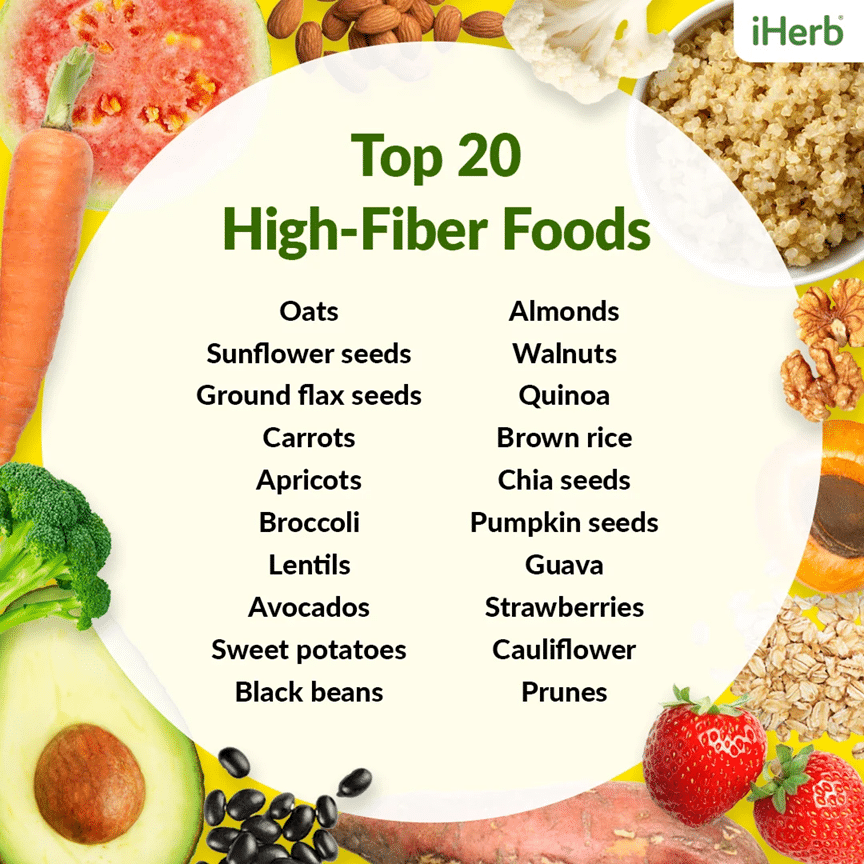
Fibre is the unsung hero of digestive health. It bulks up your stool, binds waste and toxins, and speeds up their removal. It’s your gut’s natural cleaner.
Western diets are shockingly low in fibre. Without it, stool stays in the colon too long, allowing harmful compounds to be reabsorbed and increasing the risk of inflammation and cancer.
Colon Cancer: Slow-Moving But on the Rise
Colon cancer doesn’t appear overnight. It usually takes 15 years to develop, which gives us a long window for prevention – if we pay attention.
That’s why colonoscopy screening has been moved earlier: now recommended from age 45, especially if you have a family history. Because while genetics may play a role, lifestyle is the driving force.
Sadly, most symptoms like blood in stool, changes in bowel habits, or unexplained weight loss show up late. Prevention and early screening are everything. That’s why, at 54, my personal resolution for 2025 is to finally book my own colonoscopy. If you’re in the right age bracket, I encourage you to do the same.
The End of the Line: The Anus and Simple Checks
Some colon cancers develop right at the very end of the digestive tract – within finger’s reach. Digital rectal exams aren’t officially recommended as a screening tool, but around 10% of cancers could theoretically be felt this way.
That’s why I once had a funny – but serious – idea: a national “Anus Awareness Day,” where everyone learns to check themselves with a gloved, lubricated finger. If something feels off – see your doctor. It’s not a replacement for colonoscopy, but 10% is 10%.
Also: blood in your stool should never be ignored.
What Your Poop Says About Your Health
This is where it all comes out – literally.
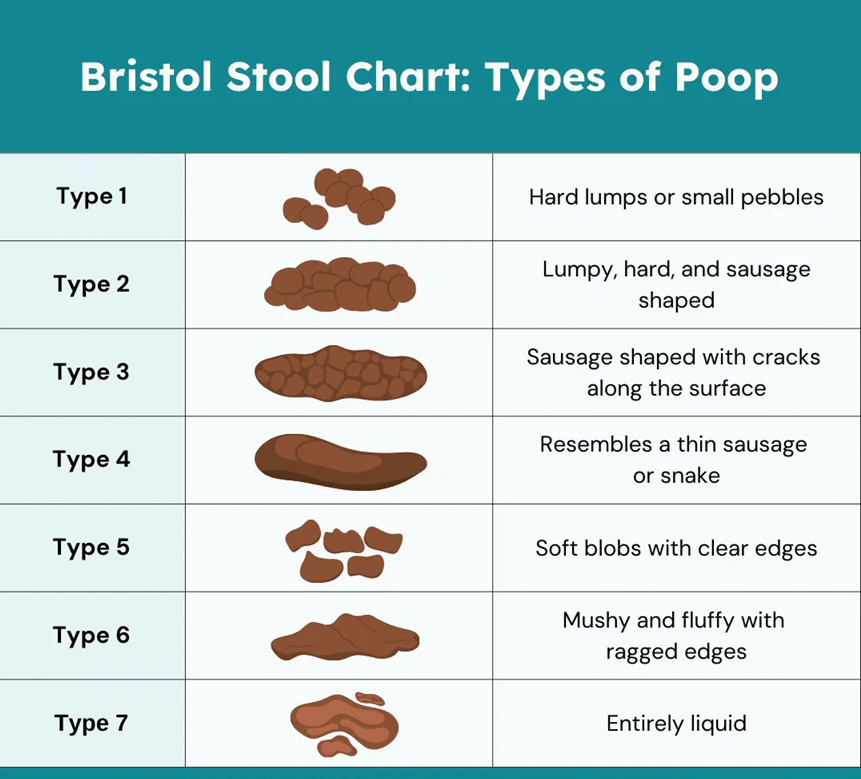
Use the Bristol Stool Scale to understand your stool type. (See chart below.) Types 3–4 are ideal: sausage-shaped, smooth, easy to pass.
Anything too hard, too soft, or too infrequent may indicate dietary issues, dehydration, or more serious conditions. You should poop daily – and comfortably.
Hydration is essential. So is physical activity. These help keep things moving, and your gut happier.
Wipe, Bidet, or Shower?
Toilet paper is rough. Wipes are soaked in chemicals. Neither cleans effectively.
For years, I’ve used water – either a bidet or a shower – for cleaning. Wipes only come out when I travel. I strongly recommend people ditch harsh paper for gentler, cleaner, water-based hygiene. Your anus will thank you.
Final Thoughts: These Were My Shitty Thoughts
To sum it all up:
- Rethink your diet – cut the processed junk.
- Exercise and hydrate – your gut needs movement and moisture.
- Track your poop – look before you flush.
- Book a colonoscopy – especially if you’re over 45.
These were my shitty thoughts. And soon, I’ll post this in Catalan too – as a tribute to El Caganer and a reminder that what we hide is often the most important.
Let food be thy medicine – but remember: if food can be medicine, it can also be poison. And as Hippocrates may have said: all disease begins in the gut.
Let’s stop being embarrassed by our bowels. Let’s start listening to what our poop is trying to tell us.
Who do you think was the most popular pooping figure in the shop?