Aesthetic treatments are more popular than ever—but with their rise comes a growing number of unsafe or poorly managed procedures, even in so-called “high-end” clinics in Central London. In this post, I want to share a recent real-life case study involving one of our clinic coordinators. It’s a story of poor medical protocol, bad aesthetic clinic experience, and inappropriate medication—and it raises bigger questions about both practitioner responsibility and patient awareness.
The Case: What Happened?
One of our Chiswick Clinic coordinators recently went for a lip micropigmentation treatment at a high-end, expensive clinic in Central London. The procedure took place five days before she told me the full story. She paid a premium, expecting a safe and professional experience. Instead, here’s what unfolded:
- Unsatisfactory numbing was applied, leading to severe pain during the procedure.
- The treatment wasn’t completed fully due to the level of trauma and patient distress.
- She reported that no medical history was taken, and there was no written consent form presented or signed.
- The procedure felt rushed, without adequate preparation or information.
These are not minor oversights—they reflect serious shortcomings in basic clinical standards.
Clinical Observations and My Perspective
As a medical professional who performs needle-based aesthetic treatments daily, I found several elements of her story concerning:
1. Lack of Proper Numbing
If a treatment is known to be painful, especially on a sensitive area like the lips, it is the practitioner’s responsibility to prepare the patient adequately. A mismatch between patient expectations and actual trauma shows poor communication or planning.
2. No Medical History or Consent
Taking a patient’s medical history isn’t just protocol—it’s essential for safety. While written consent isn’t always legally required, for invasive procedures like lip micropigmentation, it should be part of standard practice.
3. Inappropriate Use of Steroids
What followed was most concerning:
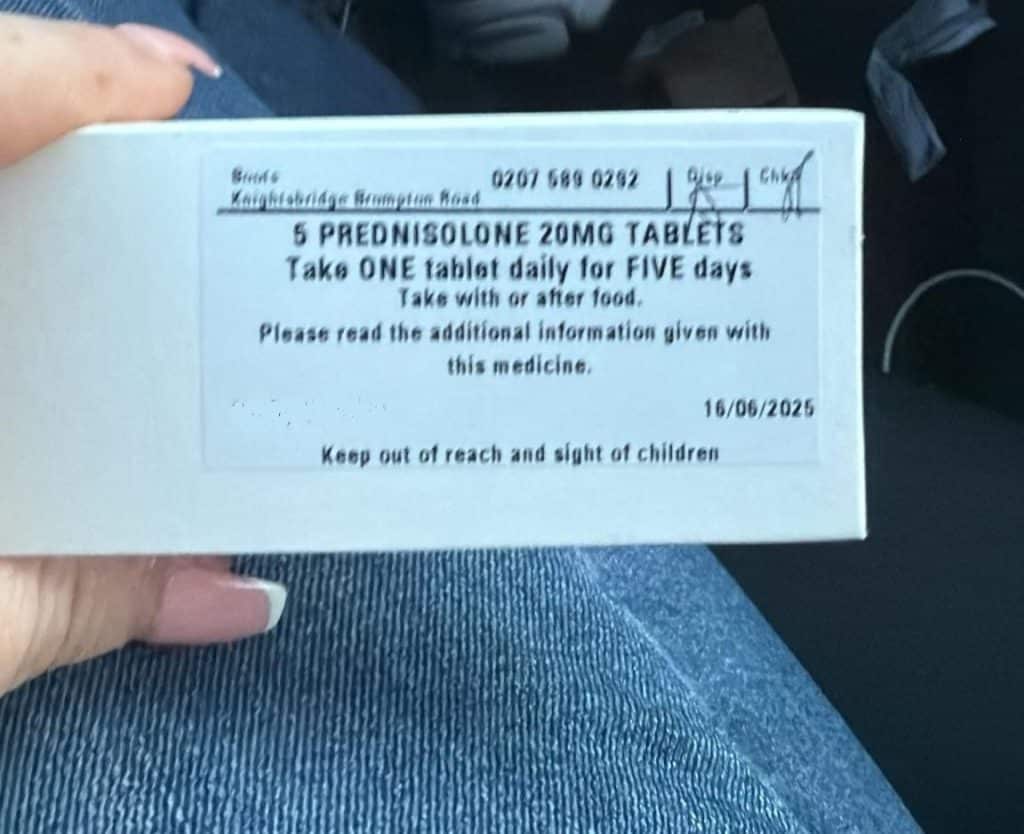
She raised her concerns, and in response, the clinic prescribed oral steroids (20 mg daily). As a dermatologist, I must be clear:
- Steroids don’t treat bruising.
- Steroids are not appropriate for emotional distress.
- For a topical issue, systemic treatment is excessive and potentially harmful.
- Prescribing steroids without proper assessment can suppress immunity, delay healing, and mask infections.
- Prescribing oral steroids without taking a full medical history is also highly concerning.
This was a clear case of medical overreaction or misunderstanding, and possibly malpractice.
What I Saw as Her Doctor
When she came to me, I saw:
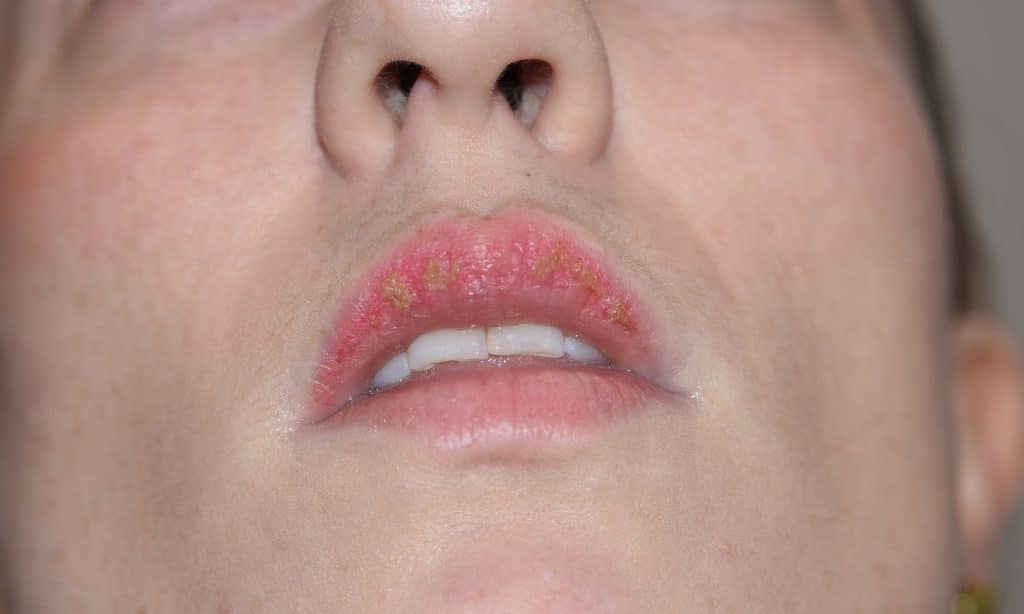
- Significant bruising, which is not unexpected with a needle treatment—but not cause for alarm.
- A day later, she had yellowish, sticky crusts on the upper lip—this could indicate early bacterial infection, so I prescribed a topical antibacterial and anti-inflammatory cream.
- No sign of true blisters, as she had mentioned earlier—this likely reflected patient interpretation of bruised and swollen skin.
The Bigger Picture: Dual Responsibility
This case raises important points for both clinics and patients.
Clinics Must:
- Conduct proper consultations
- Take a medical history
- Obtain informed consent (especially for invasive treatments)
- Provide adequate pain control
- Only prescribe medications when clinically appropriate
Patients Must:
- Ask questions
- Know what red flags to look for
- Prepare themselves for the consultation
- Download and use tools like the Safe Aesthetic Treatments Checklist available from our clinic’s website.
The Safe Aesthetic Treatments Campaign
I created the Safe Aesthetic Treatments Checklist exactly for situations like this. It’s a simple document, freely available, that helps patients prepare for consultations and understand:
- What questions to ask
- What to expect from a safe consultation
- What red flags to watch out for
Example questions from the checklist:
- What are the risks of this treatment?
- How would you manage complications if they happen?
- What are my aftercare instructions?
It empowers patients to protect themselves, because not all clinics meet the standard they advertise.
Final Thoughts on a Bad Aesthetic Clinic Experience
I was surprised that this level of care—or lack thereof—was offered by a highly visible, premium clinic in Central London.
This story is not just about one bad experience—it’s about a pattern that can be found across the aesthetic industry when standards are not enforced.
✅ Clinics must do better.
✅ Patients must be better informed.
✅ And we, as medical professionals, must continue to raise awareness and share tools like the Safe Aesthetic Treatments Campaign.